Epigenetic editor biologics
Any cell in an organism contains a complete copy of that organism's genome. The difference in structure and function of cells results from silencing of 'unnecessary genes' which occurs in great part epigenetically. DNA methylation is a key epigenetic mechanism, and the majority of mammalian DNA is methylated. Taking control over these normal mechanisms is a novel and exciting biomedical challenge and promises broad applicability. Moreover, in disease the aberrant DNA methylation in key regulatory areas (e.g. promoters) inhibiting gene transcription can be an important pathologic mechanism; thus demethylation techniques offer new therapeutic strategies. Finally, DNA methylation abnormalities are increasingly found in numerous pathologies, however we usually cannot say if these abnormalities play a causative role, hence new experimental tools are needed. Thus, the increasing appreciation of epigenetics enables new cures and experimental approaches, however certain challenges have been preventing novel therapeutics of this kind.
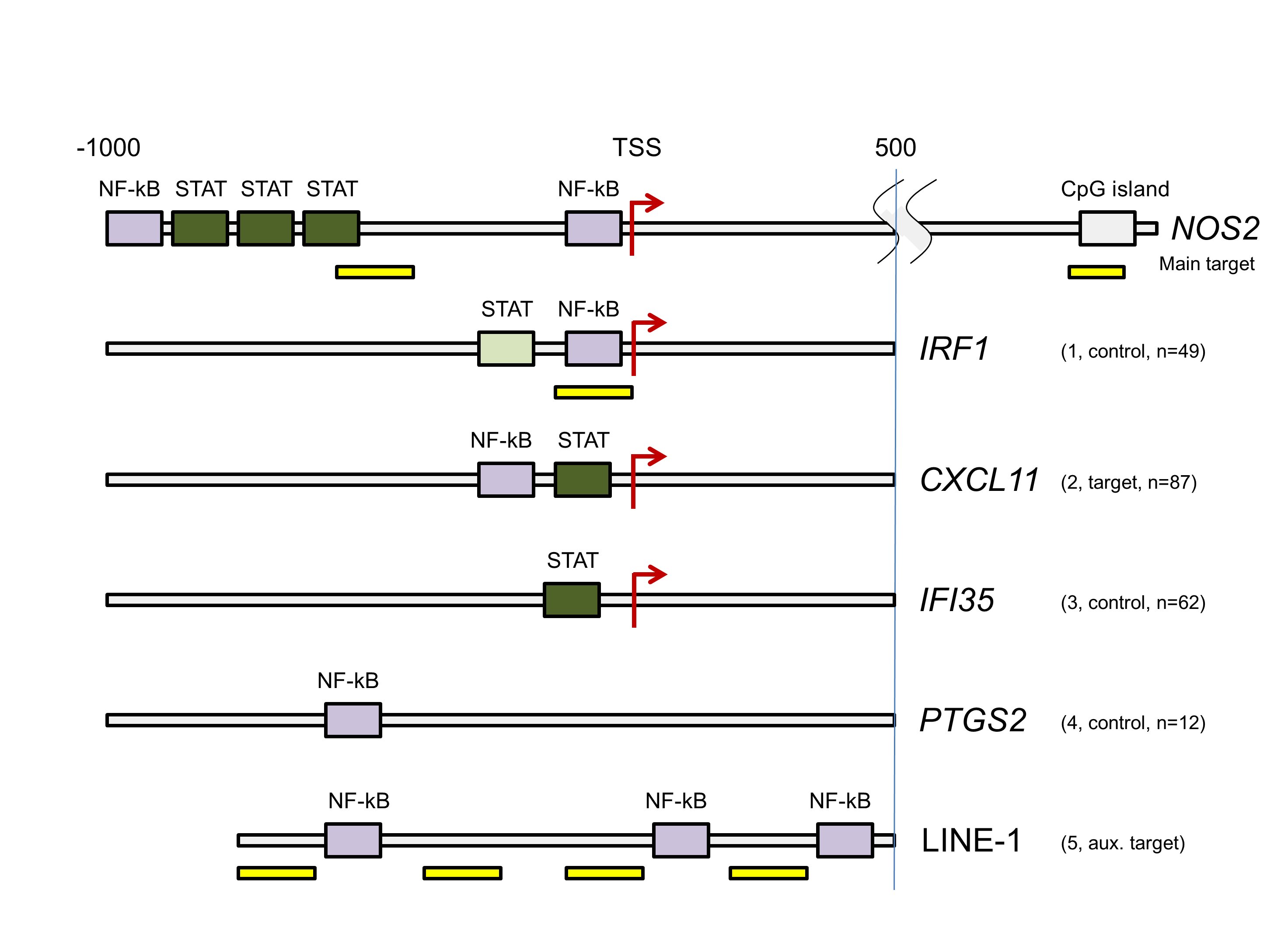
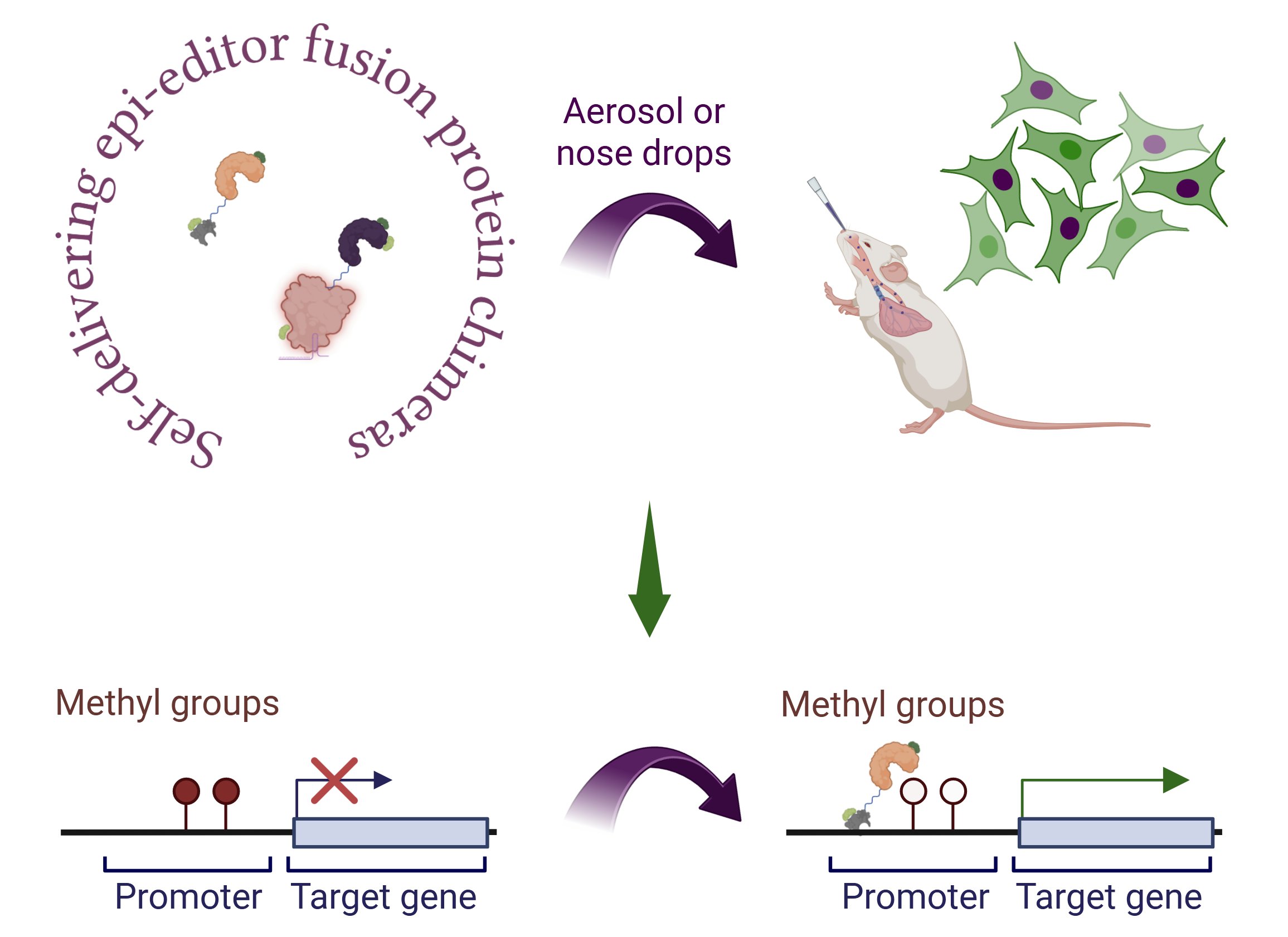
We design chimeric molecules comprised of DNA demethylases fused with sequence-specific DNA binding domains and use these tools to re-activate or enhance the silenced intrinsic genes in cells. In contrast to existing techniques, such targeted demethylation opens a specific gene promoter to adaptive, context-appropriate activation in situ, and offers superior potential to future therapeutic and modulatory tactics, not only in epigenetically-mediated disease but more broadly where gene function enhancement is desirable. Epigenter is on the cutting edge of epigenetic engineering: we develop protein-based 'biologics' effective when directly administered in vivo. They avoid the need for transgenesis or complex packaging tools with their side effects and regulatory challenges, and thus represent a novel type of epitherapeutics.